The Most Common Electrical Mistakes Homeowners Make and How to Avoid Them
Homeowners often make electrical mistakes due to lack of knowledge. Learn about common errors like using the wrong wattage bulb, overloading circuits, and ignoring tripping breakers.
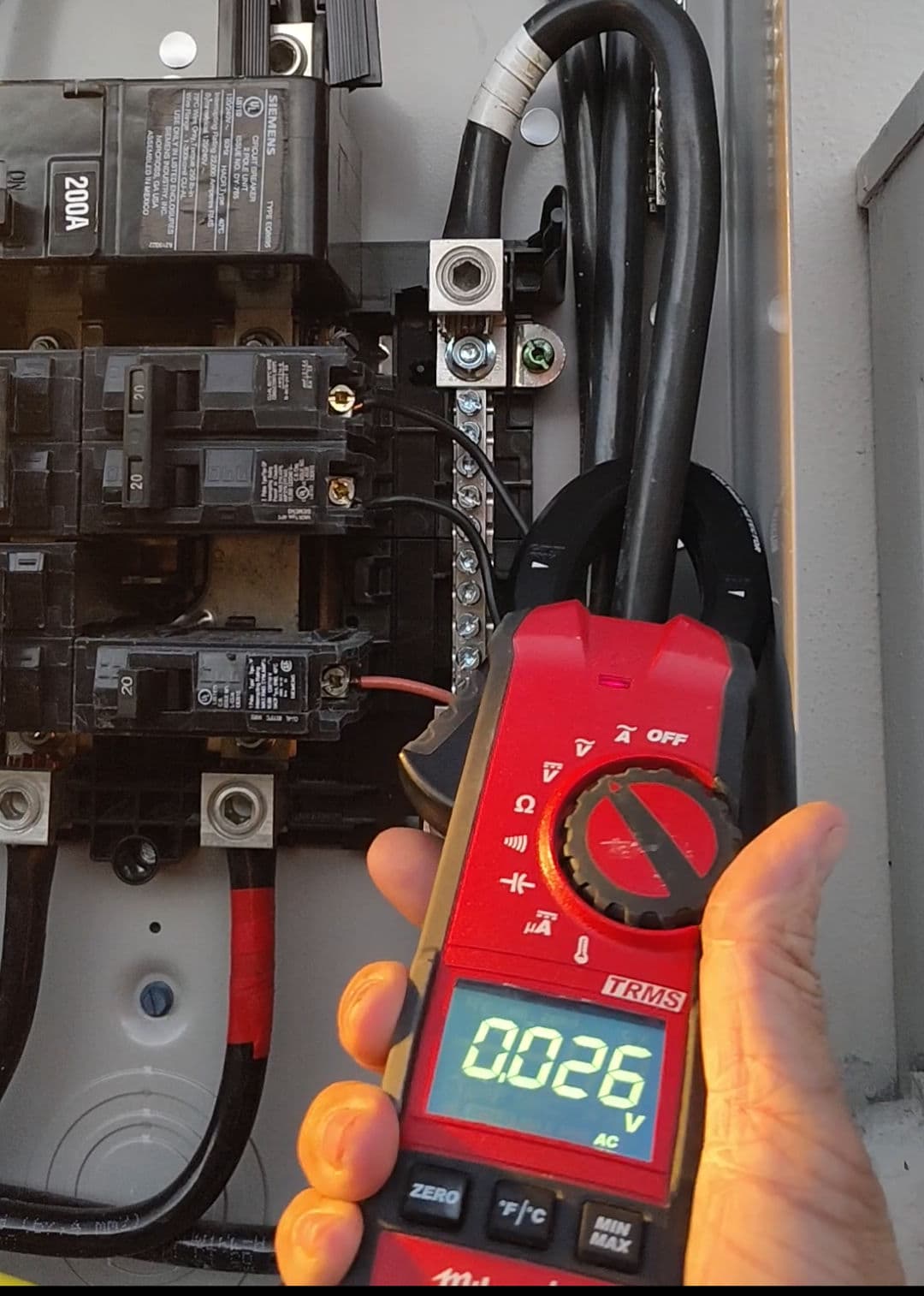
Homeownership comes with a long list of maintenance responsibilities and electrical systems are one of the areas where well intentioned decisions can create serious safety hazards without the homeowner ever realizing it. Most electrical mistakes are not made out of negligence. They are made out of a lack of information about how electrical systems actually work and what the consequences of certain shortcuts can be.
Here are the most common electrical mistakes we see from homeowners throughout South Florida and what you should do instead.
Using the Wrong Wattage Bulb in a Light Fixture
Every light fixture has a maximum wattage rating printed on a small sticker inside the fixture near the socket. Exceeding that rating by installing a higher wattage bulb than the fixture is designed for generates more heat than the fixture's wiring and components can safely handle. Over time this can damage the fixture's insulation, create a fire hazard inside the fixture itself, and in some cases ignite surrounding materials.
This is less of a concern with LED bulbs since they generate far less heat than incandescent bulbs at equivalent brightness levels. But it is still worth checking the fixture's rating and staying within it regardless of the bulb type.
Overloading Circuits With Power Strips and Extension Cords
A power strip does not increase the capacity of the circuit it is plugged into. It simply gives you more places to plug things in. When too many devices are drawing power from a single circuit through a power strip the circuit is overloaded even if the power strip itself has not exceeded its own rating.
Extension cords are designed for temporary use and are not a substitute for permanent wiring. Using extension cords as a long term solution, running them under rugs, through walls, or in other confined spaces creates heat buildup and significantly increases the risk of fire. If you find yourself regularly relying on extension cords the right solution is having additional outlets or circuits installed by a licensed electrician.
Ignoring Repeatedly Tripping Breakers
A breaker that trips once under unusual circumstances is doing its job. A breaker that trips repeatedly under normal use is telling you something is wrong and resetting it over and over is not the right response.
Repeated tripping can indicate an overloaded circuit, a failing breaker, a wiring problem on that circuit, or a faulty appliance drawing more current than it should. Any of these situations deserves a proper diagnosis from a licensed electrician rather than a habit of resetting and hoping for the best.
Covering Junction Boxes
Every electrical connection in your home is required by code to be housed in an accessible junction box with a proper cover. Junction boxes exist to contain any arcing or sparking that occurs at a connection point and to make those connections accessible for future inspection and maintenance.
Covering a junction box with drywall, insulation, or other building materials is a code violation and a safety hazard. If you are doing any renovation work and discover a junction box that has been covered by a previous owner bring it back to accessible and cover it properly before the work is complete.
Using Indoor Wiring and Components Outdoors
Not all electrical components are rated for outdoor use. Standard indoor outlets, switches, light fixtures, and wiring are not designed to withstand the humidity, rain, and temperature fluctuations of an outdoor environment. Using indoor rated components outside leads to accelerated deterioration, corrosion, and eventually a safety hazard.
In South Florida where outdoor living spaces are a significant part of how people use their homes this is especially relevant. Any electrical work in an outdoor area including covered patios, pool decks, and exterior walls requires components rated for wet or damp locations and outlets equipped with GFCI protection and weatherproof covers.
DIY Electrical Work Without a Permit
Florida requires permits for most electrical work beyond simple like for like replacements. Panel upgrades, new circuits, service changes, generator connections, EV charger installations, and significant rewiring all require a permit and inspection by a licensed inspector.
Unpermitted electrical work creates several problems. It may not be code-compliant and could create safety hazards that go undetected without an inspection. It can create complications when you sell your home since unpermitted work is frequently discovered during the buyer's inspection or title search. And in some cases homeowners insurance claims can be denied if damage is traced to unpermitted electrical work.
When in doubt pull the permit. A licensed electrician handles this process as part of the job.
Mixing Up Neutral and Ground Wires
In a properly wired electrical system the neutral wire and the ground wire serve different purposes and should never be connected interchangeably. A neutral wire carries current back to the panel under normal operating conditions. A ground wire is a safety path for fault current and should carry no current under normal conditions.
Connecting these incorrectly, sometimes called a bootleg ground, can create a situation where the ground wire becomes energized under normal operating conditions, turning a supposedly safe grounding path into a shock hazard. This is a mistake that is not always detectable without proper testing equipment and is one of the reasons electrical work should be performed by a licensed electrician.
Not Testing GFCI Outlets Regularly
As we covered in our GFCI outlet blog a GFCI outlet that has failed its internal mechanism provides no protection whatsoever while still appearing to function as a normal outlet. Homeowners frequently assume their GFCI outlets are working simply because devices plugged into them receive power.
Test every GFCI outlet in your home monthly using the test and reset buttons. If an outlet fails the test replace it immediately. A non-functioning GFCI outlet in a bathroom, kitchen, or outdoor area provides no protection against ground fault shock in exactly the locations where that protection matters most.
Attempting Panel Work Without a Licensed Electrician
Your electrical panel is the most dangerous component of your home's electrical system to work on without proper training and equipment. Even with the main breaker turned off the utility side of your panel remains fully energized at all times. The large wires entering your panel from the utility feed carry enough current to cause fatal injury instantly.
No YouTube tutorial or online guide makes panel work safe for an untrained homeowner. Breaker replacement, panel upgrades, service changes, and any other work inside your electrical panel should always be performed by a licensed electrician with the proper tools, training, and permits.
Ignoring Warning Signs
This is perhaps the most common and most consequential electrical mistake homeowners make. Flickering lights, burning smells, outlets that feel warm to the touch, breakers that trip frequently, lights that dim when appliances start up, and switches or outlets that spark when used are all warning signs that something in your electrical system needs attention.
These signs do not go away on their own and they do not get better with time. Ignoring them increases the risk of a serious electrical event including fire or shock. If you notice any of these warning signs in your home call a licensed electrician for a diagnosis before the situation escalates.
At Envision Electrical Solutions LLC we help homeowners throughout Fort Lauderdale, Davie, Hollywood, Pembroke Pines, Pompano Beach and Broward and Palm Beach Counties identify and resolve electrical issues safely and correctly. If something in your home does not seem right give us a call.
📞 954-638-4493 📍 Serving Fort Lauderdale, Davie, Hollywood, Pembroke Pines, Pompano Beach and Broward and Palm Beach Counties